
Accounts Payable Management Simplified: 8 Key Strategies

On the flip side, accounts receivable is the money owed to your business by customers. When https://copywritingexpert.co.uk/massachusetts-could-lose-5b-from-income-tax-cut/ you provide goods or services on credit, the amounts due are recorded in accounts receivable until you receive payment. Keeping a close eye on accounts receivable helps you ensure timely payments from customers, which is vital for maintaining a healthy cash flow. Despite the strategic importance of your AP process, some organizations still face significant challenges when managing accounts payable. These challenges particularly impact businesses that rely on traditional accounts payable processes and manual data entry.
How often should accounts payable processes be reviewed?

Modern AP tools offer analytics on cash flow, spending trends, and supplier performance. With this data, leaders can make smarter budgeting decisions and plan for future financial goals with confidence. If most of your invoices are due within 30 days, you can delay payment until you collect more money from customers. Industry data shows that the cost to manually process a single invoice can be more than $15 when factoring in labor, paper, and storage.

How to Measure Accounts Payable Automation: The AP Turnover Ratio
- The Three-Way Matching method compares the purchase order, goods receipt, and supplier invoice to confirm that quantities and prices match.
- To access the course materials, assignments and to earn a Certificate, you will need to purchase the Certificate experience when you enroll in a course.
- When invoices are logged and processed consistently, it’s easier for finance teams to monitor what’s due, when it’s due, and how it fits into the broader cash flow picture.
- They need to find a way to update processes and create a positive environment for change management.
- Without digitization and standardization, operating costs rise, errors increase, and process bottlenecks become harder to manage.
When AP is managed well, you see upcoming Foreign Currency Translation payments early, avoid unnecessary costs like late fees or write-offs, and make it easier for finance leaders to plan with confidence. To build a resilient and efficient accounts payable process, you need the right systems in place—supported by automated workflows and effective controls. Here are some useful strategies for optimizing your AP management operations.
- For many CFOs this means extending payables as long as possible to ensure maximal cash flow.
- The new CFO has saved the company thousands of dollars and enabled a more efficient system, leaving happier employees, vendors, and customers alike.
- Automated accounts payable software solutions are often the heartbeat of effective accounts payable management.
- Fraudsters can easily intercept low-security software or vendor email threads to scam accounts payable teams out of money.
- With automated invoice matching feature, three-way matching, duplicate detection, and business rule enforcement are fully automated.
- Utilizing paperless invoice processing also allows you to do away with invoice copying and manually matching invoices to purchase orders and shipping receipts – because all of that is completed for you.
Why good accounts payable management matters
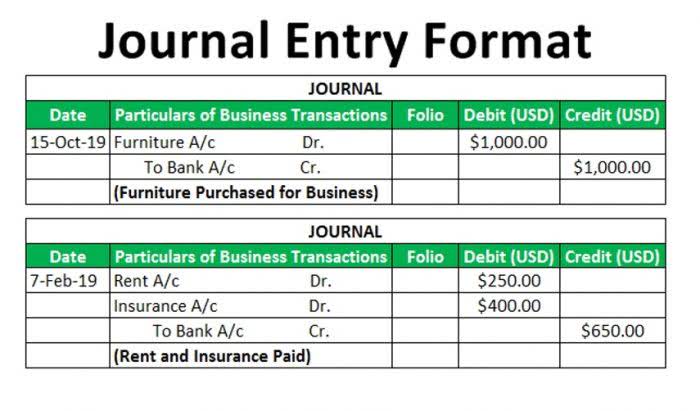
Approval processes that span multiple divisions or geographic locations can be slow and inefficient, particularly if reliant on outdated systems or manual communication like email. Automated workflows can accelerate approvals, ensuring compliance with company policies while saving time. Regular communication with vendors about payment schedules, invoice clarifications, and dispute resolutions helps maintain smooth operations and strong relationships.
- Since launching its Construction & Development division in 2010, the company has prioritized efficient, high-quality construction projects alongside its expert property management.
- These aren’t just operational headaches—they also impact cash flow, accuracy, and vendor relationships.
- Continue reading to understand the accounts payable process, formula, and examples.
- Tracking KPIs like processing time or the percentage of on-time payments can reveal valuable insights.
- Disorganized AP processes slow down approvals, strain vendor relationships, and limit cash flow visibility.
- The future will be shaped by emerging trends, regional dynamics, and the overall economic landscape, offering ample opportunities for innovation and growth.
Your top 20% of suppliers—those providing mission-critical accounts payable management goods or services—deserve different treatment than commodity vendors. This lets you pay early when cash flow allows and default to extended terms during tighter periods. Create a consistent process for how every invoice enters your system, gets coded, routed for approval, and scheduled for payment processing. This eliminates the “invoice treasure hunt” that forces AP staff to chase down approvers. While duplicate payments drain cash directly, fraud losses can cost hundreds of thousands of dollars and trigger expensive audits and remediation efforts.
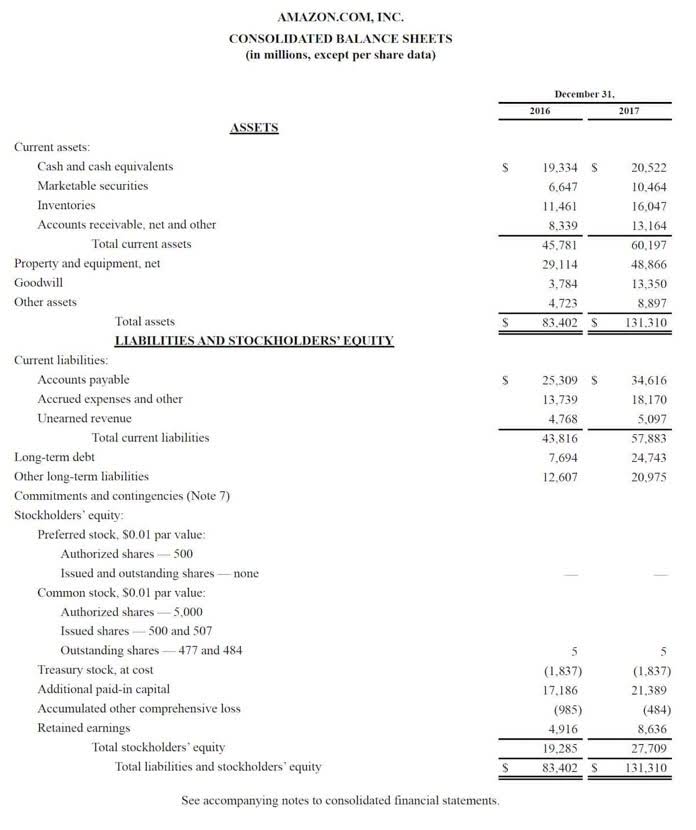
Key Performance Indicators (KPIs) for Measuring AP Performance
- The AP team verifies key details such as the vendor name, invoice number, amount, and payment terms.
- This framework works on computers, tablets, and phones, so employees can work from anywhere while always following corporate security standards.
- Responding quickly to vendor inquiries will help you maintain a strong relationship that may even translate into discounts in the future.
- ClearTech’s interactive dashboards make tracking accounts payable KPIs and other important metrics, such as approval TATs, easy.
- Strategic AP management can also prevent unnecessary costs through better spend visibility.
- The procurement team plays an integral part in many businesses, managing the purchase of goods and services from vendors.
- Implementing automated invoice matching systems and maintaining clean records can prevent these costly mistakes.
• Consistent rules and workflows reduce friction more effectively than simply processing invoices faster. Schedule a demo to learn how Order.co centralizes AP management with automated matching, approvals, and pay-on-your-terms flexibility. This process catches pricing errors, quantity discrepancies, and fraudulent invoices before money leaves your account. To begin implementing it, start with high-value purchases where the ROI is the clearest, then expand to smaller transactions as your workflow matures.